



On Tanzania: Elections, Human Loss, and Rebuilding
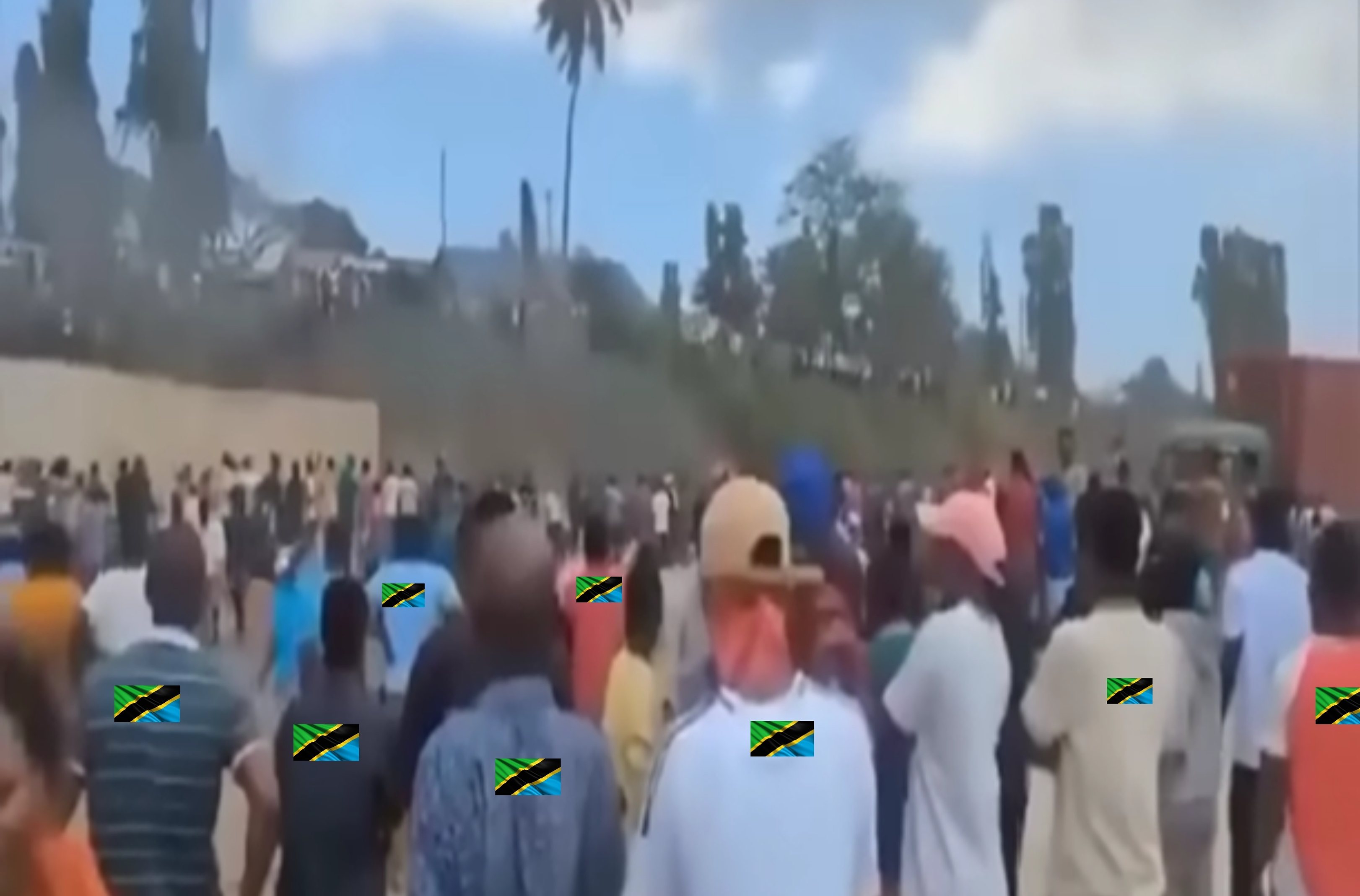
Pambazuka expresses grief with the departed and their families, condemns the killings and calls for restructuring of Tanzania.
With deepest empathy, we express our grief and solidarity for the lives that have been lost, and their families who have been bereaved of daughters, wives, mothers, sons, siblings, fathers, husbands, and the many who could have shared in the building of a new Tanzania.
We unequivocally condemn the killings that have accompanied the elections and the announcement of Suluhu as President for a second term. We condemn all forms of violence against Tanzanians. The death of one person is socially and clinically significant enough to prevent such from happening, if it is within our human and spiritual capabilities. The presence of a discussion about numerous persons being killed by forces seeking legitimacy to lead a society questions the ambition and aim of the supposed leader and the inspirations that govern the desire to seek political office in the country.
The increased repression and massacre of Tanzanians in the wake of the elections have the possibility of shattering the social peace that has existed in Tanzania. We are disappointed by the attempts of elements of the Tanzanian authorities to deflect the insecurity and inhumane treatment of the living and the dead that have been observed in Tanzania.
Since its independence, the Chama Cha Mapinduzi (CCM), inheritor of Tanganyika African National Union (TANU) has been the overarching political force in Tanzanian society. The many years of hegemony, however, have not produced much improvement in the lives of many Tanzanians. While many elites boast of investments in the country or abroad, the national cake remains in the hands of the few.
The despair that has accompanied the CCM rule and the quest for control of the country’s resources is evident in the internal struggles that have saddled the CCM. Regardless of the internal struggles, the brutal tactics that have surrounded even benign development efforts have shown a path dependency. That is, the Tanzanian state has grown overly repressive towards its own citizens, and citizens from its neighbours who have solidarized with forces who have dared to oppose the destructive activities of the state, gradually eroding the binding force of the society. The ruling party has become intolerant to its own members who have criticized the decay and rot in the party. This has been most manifest in the kidnapping and disappearance of the former ambassador of Tanzania to Cuba.
The promises of Nyerere’s Ujamaa and the socialist drive towards equitable standards of education and wellbeing suffered a huge blow in the past three decades. The past 30years of neoliberalism affected Tanzanian peoples. While this ideology pays lip service to social welfare and redistributive efforts allegedly aimed at correcting the devastations of the neoliberal market economy, safety nets for education and health have been eroded in Tanzanian society. This neglect of social needs is reminiscent of the ills neoliberal obedience, or subservience, has subjected countries across Africa to, while less than 1% of the society controls and expends the wealth generated by various sectors of the economy, from oil to agriculture.
The emergence of opposition groups in the Tanzanian political space has the potential to birth alternative pathways for socio-economic transformation of the country. Disappointingly, however, the opposition is not offering anything more than what the previous years of neoliberalism have provided. Strong attachment to neoliberal rhetoric could mean that the opposition forces could embrace hyena capitalism to the extent that they can frustrate efforts to rebuild an inclusive and equitable Tanzanian society.
At the current crossroads, Tanzania’s democratic rebound should be conceived in the strengthening of popular groups, trade unions, village groups, farmers, fishermen, student groups, and every ordinary Tanzanian. It is in the participation of these and related groups that a democratic practice can be judged as people-based, especially where their views matter and shape the decisions that direct the affairs of the country.
In such democratic practice, access to land and water must be key questions of democracy, and not waiting for every 4 to 5 years to queue and cast ballots. As the polls remain an important part in deciding who leads the country in defined intervals, the recent elections in Tanzania are anything but elections.
We support the African Union and the Southern African Development Community (SADC) position that the October elections in Tanzania were a fraud and do not qualify as a democratic election, and the people deciding to elect a leader. The swearing-in ceremony further highlighted the reality that the acceptance or otherwise of a leader by the people did not matter in the persisting authoritarian regimes across Africa. The alleged millions who voted for the President could not be allowed to witness the swearing-in of Suluhu Hassan. That the swearing-in had to be done in a military space shows the alliance of the military, who are to protect the people, with the state and other security apparatuses in oppressing Tanzanians and sustaining the dictatorship.
Tanzania needs an urgent restructuring of the political space and to build inclusive mechanisms that will restore social peace, ndugu, and unity for social transformation.
We support the call of the Concerned Tanzanians and reiterate the following positions:
-
Suluhu should step down
-
Government of National Unity (GNU) to restructure the political system in Tanzania
-
Investigation into the killings
-
Investigation into the alleged corrupt deals of Tanzanian officials
The rebuilding of Tanzania must go beyond neoliberal conceptions to embrace social investments and democratic practices that centre around working people, children, youths, women, and men, regardless of ethnic, geographic, and religious orientations.
Pambazuka Editors