



Caribbean Connections, Caribbean Solidarity: A Note from Havana
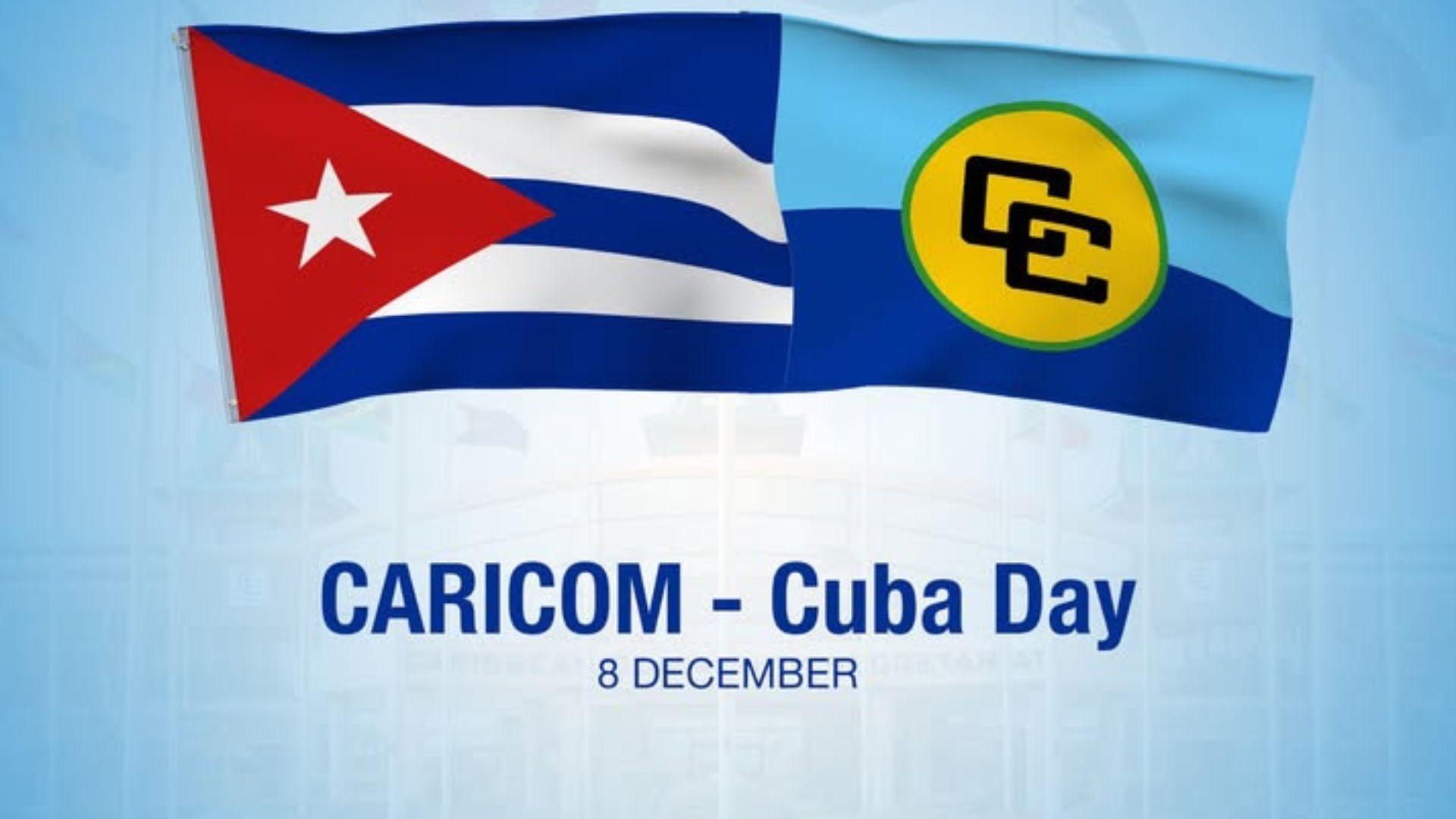
Davis reiterates the case for Caribbean solidarity with Cuba
Ever since my earliest recollections of family memories, I have been familiar with the geographical and cultural notion of the Caribbean. My mother was raised in a Caribbean English-speaking environment; her parents travelled to Cuba for their honeymoon and decided to stay to make a living in this island in whatever way they could, thus becoming lower middle-class West Indian immigrants. I have a Guyanese grandfather and a Barbadian grandmother. Personal belongings and souvenirs kept by my grandparents (very few of these have stood the test of time, though); postage stamps issued in Barbados or Guyana during the first two decades of the 20th century; and our “English” last names are today evidence of those regional connections in many Cuban families. Beyond the genealogical ancestry, the unifying “Caribbeaness” (lo caribeño), regardless of how that concept is generally defined, has become a cultural key to open our hearts and homes everywhere in the region. Language barriers are secondary when these cultural affinities emerge. One of my most unforgettable experiences is that of being invited by a group of elders to play dominoes when I was walking down a road deep in the country in St. George, Barbados. I was able to understand very few words, but my Bajan partner and I won a few games.
More than one generation of Cubans were born and raised after 1959. The intense revolutionary euphoria that our parents and their children felt transcended national borders. In general, many Caribbean intellectuals equally echoed those sentiments, as has been widely read in the works of George Lamming, Walter Rodney. C.L.R. James, to name a few. And soon after, the politically independent West Indian nations clearly expressed their support with the emerging Cuban political process when Barbados, Jamaica, Guyana, and Trinidad established diplomatic relations, and significantly contributed to the consolidation and worldwide recognition of the Revolution ever since this major step was taken in 1972.
Common affinities of peoples and governments across the region materialized in fruitful cooperation across several walks of life: education, culture, construction, health, industrial development, science and technology and other areas are clear examples of how our countries shared some of the few human and material resources available. The early political will of Cuba and CARICOM states to foster these actions led eventually to the extremely significant, but yet underexplored, impact of social connections: teachers, workers, students, nurses, doctors, etc. travelling back and forth between our nations strengthened these ties and the mutual knowledge of our societies. A big chunk of my courses of Anglophone world literatures in Havana is dedicated to Caribbean creative production both in the region and the diasporas. I try to stir up the young Cuban students’ interest in delving deeper into these connections.
The regional turbulence stirred by the Trump 2.0 administration has shaded that fifty-year-old history of cooperation between our states and peoples. It has raised doubts about actual sovereignty: independent David has so far been unable to raise a collective voice against Goliath. The resulting impunity of the execution of fishermen and the destruction of small fishing boats on the open sea (a fact, even as any evidence to counteract this hypothesis has been destroyed or classified); the acts of piracy in the Caribbean; and the kidnapping of the constitutional president of Venezuela while killing a hundred peaceful citizens (32 Cuban nationals among them –another instance of solidarity and cooperation); all these acts have raised an uncomfortable doubt about a kind of regional complicity which is in direct opposition to the spirit of peace in this region.
Today, Cuba suffers yet another attack unleashed by the U.S. government. This one is worse than others in the long history of anti-Cuban activity in U.S. foreign policy for the last 67 years, because it is the personal agenda furthered by Marco Rubio since the very moment he was given the position of Secretary of State as a “birthday present.” The executive order aimed at cutting our access to oil is only compared to the genocidal war against the heroic people of Gaza in Palestine. Consequences are both predictable and unpredictable. For example, whereas our country struggles to keep main health care services running, I have learned that oncological hospitals have been forced to reduce the number of treatments. Also, public transportation has been drastically reduced, so our universities have been pursuing the teaching process via “online” alternatives, but we lack the proper internet infrastructure.
Amidst these circumstances, the solidarity of peoples across the Caribbean and beyond towards Cuba has been visible in many ways. The longstanding friendship ties forged through these five plus decades among Caribbean people makes me really proud of being born in Cuba. I have received messages and calls from so many people from different countries. A common point in all these messages is that Cuba is not alone. Some friends of Cuba have gone further to find ways to send material support to the island to help alleviate the negative effects of this crisis. Friends and colleagues at the University of the West Indies, Mona, Jamaica, for example, have mobilized themselves to lend a hand to people in my neighborhood to cope with the increasing prices of food, and other needs.
The uncertainty of a common, courageous and radical CARICOM stance against Donald Trump’s hostile breach of peace in the region, his government’s state terrorism against Venezuela, and the intention of succeeding in toppling the Cuban government by undermining popular support and generating “disenchantment and disaffection based on economic dissatisfaction and hardship” by following the same archaic 1960’s narrative (outlined in a Secret State Department memo issued on April 6, 1960, titled The Decline and Fall of Castro); none of this shall undermine the cultural, unifying affinities that generate solidarity in the hardest times, and that make Cuba a more resilient nation.
Samuel Furé Davis was born in the mid-1960s in Havana, Cuba. He teaches in the School of Foreign Languages, at the 298-year-old University of Havana. Prof. Furé Davis is the author of two prize-winning books and more than 20 refereed articles in academic journals and book chapters. Caribbean cultural studies, literature and racial relations are his main areas of interest.
*Republished with permission from Stabroek News