



Sports, Distraction, and the Unfinished Reckoning of Post-2025 Elections in Tanzania
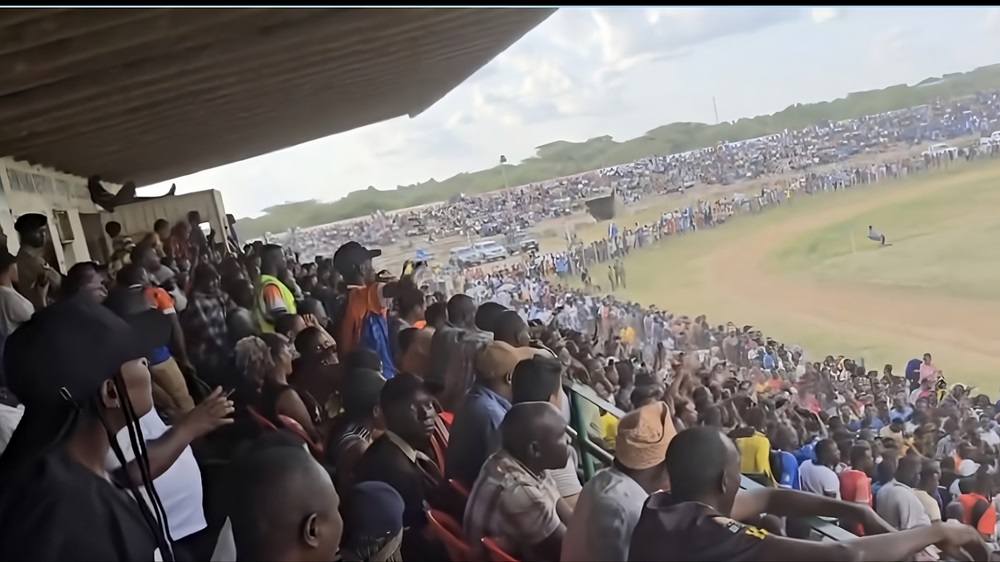
The manipulation of the world’s biggest sport to avert political accountability and justice is a disservice to football’s unifying spirit. In a broader analysis of how sportswashing is used as a distraction from political grievances, Rubara hones in on the October 2025 election violence in Tanzania alongside the state’s recent efforts to publicize official invitations to Didier Drogba and Rio Ferdinand.
Tanzanians love football. That much is undeniable. The arrival of legends such as Didier Drogba and Rio Ferdinand on official invitations has ignited genuine excitement among fans, particularly as the country prepares to co-host the 2027 Africa Cup of Nations alongside Kenya and Uganda. Yet the timing and optics of these visits, Drogba earlier and Ferdinand from 19 to 22 May 2026, have provoked sharp criticism. Many view them not simply as exercises in sports diplomacy or youth empowerment, but as calculated distractions from the unresolved trauma of the October 2025 general election and its violent aftermath.
October 2025 and the Chande Commission
The general election held on 29 October 2025 proved highly contentious. President Samia Suluhu Hassan secured an overwhelming victory amid widespread opposition allegations of irregularities, candidate disqualifications, and repression. Protests erupted in Dar es Salaam, Mwanza, Arusha, and other regions. Security forces responded with lethal force, including live ammunition.[1]
A presidential commission of inquiry, chaired by retired Chief Justice Mohamed Chande Othman, submitted its report[2] in April 2026. It documented 518 deaths from “unnatural causes,” of which 197 were attributed to gunshot wounds. The vast majority, around 505, were civilians, including 21 children. Injuries exceeded 2,000, with reports of bystanders killed, bodies removed by authorities, and families struggling to recover their loved ones. While the commission acknowledged that planned elements had exploited genuine grievances such as economic hardship and eroded public trust, it stopped short of holding security forces clearly accountable for unlawful killings. It recommended further investigations and compensation for victims, but dismissed some allegations of mass graves.
Opposition leaders, human rights organisations including Amnesty International[3] and Human Rights Watch,[4] and significant sections of the public have rejected the report as a whitewash (Amnesty International, 2026; Human Rights Watch, 2026). Independent estimates and eyewitness testimonies suggest the death toll may be substantially higher, pointing to patterns of extrajudicial killings, enforced disappearances, and excessive force. The fact that the full report has not been comprehensively publicised has only deepened scepticism regarding transparency and accountability. These events represent one of the darkest chapters in Tanzania’s recent history, severely damaging its longstanding reputation as an “island of peace” in a turbulent region.
Sportswashing: Global Tactics and their Impacts
Sportswashing, the strategic deployment of sports events, celebrity endorsements, club ownership, and sponsorships to rehabilitate a tarnished international image and divert attention from human rights abuses, corruption, or political repression, is a well-established global phenomenon with roots stretching back decades.
Historical precedents include Nazi Germany’s 1936 Berlin Olympics, which projected an image of modernity and strength while concealing genocidal intentions; and Argentina’s 1978 FIFA World Cup, hosted by a military junta amid thousands of forced disappearances and brutal repression.
In contemporary times, authoritarian and controversial regimes have refined these tactics:
-
Russia hosted the 2014 Sochi Winter Olympics and the 2018 FIFA World Cup in an attempt to project a vibrant, modern image and counter international condemnation over its annexation of Crimea, military interventions in Ukraine and Syria, actions in Chechnya, and widespread domestic repression.[5]
-
China leveraged the 2008 Beijing Summer Olympics, at a time when concerns over Uyghur repression in Xinjiang were already emerging internationally, and the 2022 Winter Olympics to showcase its economic and organisational prowess. This occurred amid mounting criticism of its crackdown on pro-democracy protests in Hong Kong (including the 2019 – 2020 demonstrations and the imposition of the national security law in 2020), mass detentions and alleged atrocities against Uyghurs in Xinjiang, and ongoing repression in Tibet.[6]
-
Qatar invested heavily in the 2022 FIFA World Cup, full ownership of Paris Saint-Germain, and high-profile sponsorships such as that of FC Barcelona, despite intense scrutiny over the exploitation of migrant workers, restrictions on women’s rights, and criminalisation of LGBTQ+ identities.[7]
-
Saudi Arabia, through its Public Investment Fund, acquired Newcastle United, launched LIV Golf, hosted major boxing events, and secured hosting rights for the 2034 World Cup. These initiatives seek to rebrand the kingdom beyond the Yemen conflict, the 2018 murder of journalist Jamal Khashoggi, and severe domestic restrictions on dissent and women’s rights. Billions of dollars have reportedly been spent on such efforts.[8]
-
United Arab Emirates has made substantial investments in Manchester City and other clubs to polish its international image. Similar patterns are evident in the United States co-hosting the 2026 FIFA World Cup despite its controversial military and diplomatic actions, including pressure on Venezuela and involvement in conflicts such as the war with Iran, which critics have labelled as attempts to normalise foreign policy through sporting prestige.
Other notable examples include Bahrain and Azerbaijan’s use of Formula 1 races, Rwanda’s sponsorship deals with Arsenal, Paris Saint-Germain, and Bayern Munich alongside hosting the Basketball Africa League; and various African nations facing accusations during AFCON hosting cycles, such as Ivory Coast in 2023.
The impacts of sportswashing are double-edged. In the short term, regimes gain positive media cycles, enthusiastic public engagement, foreign investment inflows, and temporary normalisation of their image. The emotional universality of sport distracts domestic audiences and can mute international scrutiny, with celebrities and fans inadvertently lending credibility.
In the longer-term, consequences can frequently backfire. Heightened global attention often amplifies the very issues authorities wish to obscure, as seen with intense scrutiny of Qatar’s labour practices or sustained activism against Saudi investments. Backlash from fan groups (such as Newcastle United’s “NUFC Against Sportswashing”), human rights organisations, and investigative journalists creates powerful “awareness boomerangs.” Domestically, it can foster cynicism when citizens perceive the manipulation of beloved cultural institutions. Ultimately, sportswashing rarely resolves underlying problems; it merely postpones accountability, potentially breeding deeper resentment and instability.
Sportswashing’s Impact on African Football
In Africa, sportswashing intersects uniquely with the continent’s profound passion for football, its developmental ambitions, and persistent governance challenges. While such initiatives can deliver visibility and infrastructure investment, they frequently prioritise political optics over the sustainable development of the sport itself.
Rwanda has aggressively pursued international sports partnerships, including “Visit Rwanda” sponsorships with Arsenal (which ended in 2025 amid backlash), Paris Saint-Germain, and Bayern Munich, alongside hosting the Basketball Africa League finals. These efforts have enhanced tourism and global visibility. However, critics argue they serve primarily to deflect attention from allegations of political repression, involvement in regional conflicts such as supporting the M23 militia in the Democratic Republic of the Congo, and broader human rights concerns. Questions persist about whether such high-profile investments might yield greater long-term benefits if redirected toward domestic football infrastructure, league development, and social priorities rather than nation-branding campaigns.[9]
AFCON hosting has repeatedly attracted similar accusations. Egypt’s 2019 tournament under a military-influenced regime, Cameroon’s 2021 edition amid the Anglophone crisis and authoritarian governance, and Ivory Coast’s 2023 hosting, involving massive expenditure under President Alassane Ouattara, have been viewed as opportunities for incumbents to project stability and legitimacy while marginalising opposition voices or rights concerns. These events generate national pride and short-term economic activity, yet often coincide with criticism of electoral irregularities or repression.
Additional cases include the Democratic Republic of Congo’s sponsorship arrangements with European clubs amid ongoing eastern conflicts, and corporate sponsorships such as TotalEnergies’ involvement with AFCON, which have drawn accusations of greenwashing alongside sportswashing.
The impacts on African football are mixed but lean heavily negative in their deeper effects. On the positive side, hosting and sponsorships can drive stadium upgrades, youth development programmes, and tourism inflows. They raise the profile of African leagues and may help attract investment, potentially aiding efforts to retain talent and improve facilities in resource-constrained environments.
However, these tactics risk distorting national priorities. Governments often favour spectacular infrastructure projects, such as gleaming stadiums, while grassroots development, transparent league governance, and anti-corruption measures receive insufficient attention. This perpetuates chronic challenges including the exodus of talented players to Europe, weak domestic structures, and growing fan disillusionment. By linking football to controversial regimes, sportswashing can erode public trust in the sport, transforming a powerful unifying cultural force into a vehicle for political distraction. In increasingly informed societies, it breeds cynicism as citizens recognise the disconnect between celebratory narratives and unresolved injustices. Over time, this may impede genuine accountability and the structural reforms necessary for African football to flourish on its own terms, rather than serving as a prop for image management.
Tanzania’s engagement with Ferdinand and Drogba fits squarely within this broader African pattern, leveraging football’s emotional power at a moment of post-election scrutiny, particularly under a sports minister with a controversial human rights background. Minister Paul Makonda was publicly designated by the US State Department in 2020[10] for gross violations of human rights, including the flagrant denial of the right to life, liberty, or security of persons during his earlier tenure as Regional Commissioner of Dar es Salaam.
Celebration or Sportswashing?
Ferdinand’s visit, hosted by the Ministry of Information, Culture, Arts, and Sports, featured tours, stakeholder meetings, praise for Tanzania’s football development, and promotion of tourism and youth initiatives. He was appointed a tourism ambassador and explicitly stated that he was “not a politician,” focusing instead on inspiring young people. Similar framing accompanied Drogba’s earlier visit. Nevertheless, critics, including human rights groups, maintain that these engagements constitute sportswashing, generating positive media coverage that overshadows pressing demands for justice.
Public Sentiment and the Football-Passion Paradox
Tanzanians’ profound love for football creates a compelling paradox: authentic excitement and national pride stand in tension with growing scepticism and anger over perceived political exploitation.
Ferdinand received a rapturous welcome at Julius Nyerere International Airport, complete with traditional dances, chants, and crowds of enthusiastic supporters. Many citizens welcomed the visits as timely boosts for AFCON 2027 preparations, youth talent development, and elevating Tanzania’s global profile. Social media and local outlets overflowed with positive imagery of Ferdinand visiting stadiums, the Serengeti, and engaging with aspiring players.
Yet a significant undercurrent of criticism runs alongside this enthusiasm. On platforms such as X, Instagram, and local forums like JamiiForums, opposition supporters, diaspora voices, and human rights advocates have accused the government of exploiting football stars to whitewash the October 2025 violence and sideline the Chande Commission’s limitations. Reactions range from mild disappointment (“I love Rio, but the timing is questionable”) to strong condemnation of his association with the hosting ministry.
This paradox highlights deeper societal dynamics. For many apolitical fans, football remains a unifying escape that transcends partisan divides, granting the government temporary narrative advantages through emotional resonance. However, an increasingly informed and digitally connected populace, especially younger generations, readily identifies distraction tactics. The resulting divide risks deepening societal fractures, as the beautiful game, long a source of shared joy, becomes a contested political arena.
Impacts on the Tanzanian Political Landscape
In the short term, these visits have provided the government with valuable breathing space. Positive football-related stories have dominated headlines and social media feeds, diluting attention on the Chande report’s shortcomings and helping to consolidate support among moderate voters and sports enthusiasts.
The medium to long-term risks, however, are considerable. While such tactics may purchase temporary calm, they fail to address fundamental issues of eroded public trust and demands for justice. Unresolved grievances carry the potential for future volatility. Drawing from global and African experiences, sportswashing’s mixed record indicates that these distractions can paradoxically heighten awareness rather than suppress it, particularly within a football-mad yet politically astute society.
Tanzania’s political trajectory will ultimately depend on whether these initiatives evolve into platforms for genuine progress or remain mere delay tactics. Football possesses immense power to unite, but it cannot substitute truth-seeking and accountability. Persistent criticism demonstrates that many citizens see beyond the spectacle. The beautiful game deserves better than to be reduced to a tool of political convenience, and Tanzanians deserve a transparent reckoning with recent wounds to secure lasting stability and national cohesion.
Evans Rubara is a Tanzania-based natural resource management specialist, and sociopolitical analyst. He is available at [email protected] or on X as @PunditParadox.
Endnotes
[1] Pambazuka News Editors. On Tanzania: Elections, Human Loss, and Rebuilding. Pambazuka News, 2025. https://pambazuka.org/index.php/Rebuilding-Tanzania
Global Pan African Movement (GPAM) North America. GPAM Condemns authoritarian tactics around Tanzania’s upcoming elections. https://pambazuka.org/index.php/Tanzania-Elections
Rubara, Evans. Tanzania’s 2025 Elections, Chief Hangaya, and the Fragile Quest for National Unity. Pambazuka News, 2025. https://pambazuka.org/index.php/Tanzania-Elections-Chaos
Rubara, Evans. Blood on the Cloves: State Capture, Party Fissures, and the Constitutional Betrayal of Tanzania’s Youth. Pambazuka News, Dec, 11, 2025. https://pambazuka.org/index.php/Tanzania-State-Capture
[2] The report is yet to be publicly released, but here is Judge Othman Chande’s Full Presentation of it: https://thechanzo.com/2026/04/24/full-presentation-by-retired-chief-justice-mohamed-chande-othman-on-the-report-regarding-the-events-of-october-29-2025-delivered-before-president-samia-on-april-23-2026/
[3] Amnesty International. Tanzania: Release Commission of Inquiry report into election-related killings to kickstart accountability process. Amnesty.Org, April 2026. https://www.amnesty.org/en/latest/news/2026/04/tanzania-release-commission-of-inquiry-report-into-election-related-killings-to-kickstart-accountability-process/
[4] Human Rights Watch. Missed opportunity on Tanzania election violence. HRW News, May 5, 2026. https://www.hrw.org/news/2026/05/05/missed-opportunity-on-tanzania-election-violence
[5] Russia’s bloody World Cup: We’ve all enjoyed the football, but the human costs were high. https://www.hrw.org/news/2018/07/13/russias-bloody-world-cup
[6] Beijing Olympics Begin Amid Atrocity Crimes: 243 Global Groups Call for Action on Rights Concerns. https://www.hrw.org/news/2022/01/27/beijing-olympics-begin-amid-atrocity-crimes; Free the Five! 2022 Beijing winter Olympics and Paralympics campaign. https://www.amnesty.org/en/latest/campaigns/2021/11/free-the-five-olympic-campaign-for-freedom-of-expression/
[7] Qatar: Rights Abuses Stain FIFA World Cup: 'Reporters’ Guide’ Highlights Key Labor Rights Issues, Needed Reforms. https://www.hrw.org/news/2022/11/14/qatar-rights-abuses-stain-fifa-world-cup
[8] Minky Worden. Human Rights Abuses Will Taint the Olympics and the World Cup. It’s Time to End ‘Sportswashing’ Now. 2022. https://www.hrw.org/news/2022/01/05/human-rights-abuses-will-taint-olympics-and-world-cup-its-time-end-sportswashing
[9] The Guardian. Reports on Arsenal/Visit Rwanda sponsorship controversy. 2025. (See also SportsPro Media coverage); Dubinsky, I. Rwanda's sportswashing and its western facilitators. 2025. https://muse.jhu.edu/pub/122/article/975106
[10] U.S. Department of State. Public designation, due to gross violations of human rights, of Paul Christian Makonda of Tanzania. 2020. https://2017-2021.state.gov/public-designation-due-to-gross-violations-of-human-rights-of-paul-christian-makonda-of-tanzania/