



Trump’s Withdrawal from Global Climate Governance: Symptoms of Moral and Systemic Failure
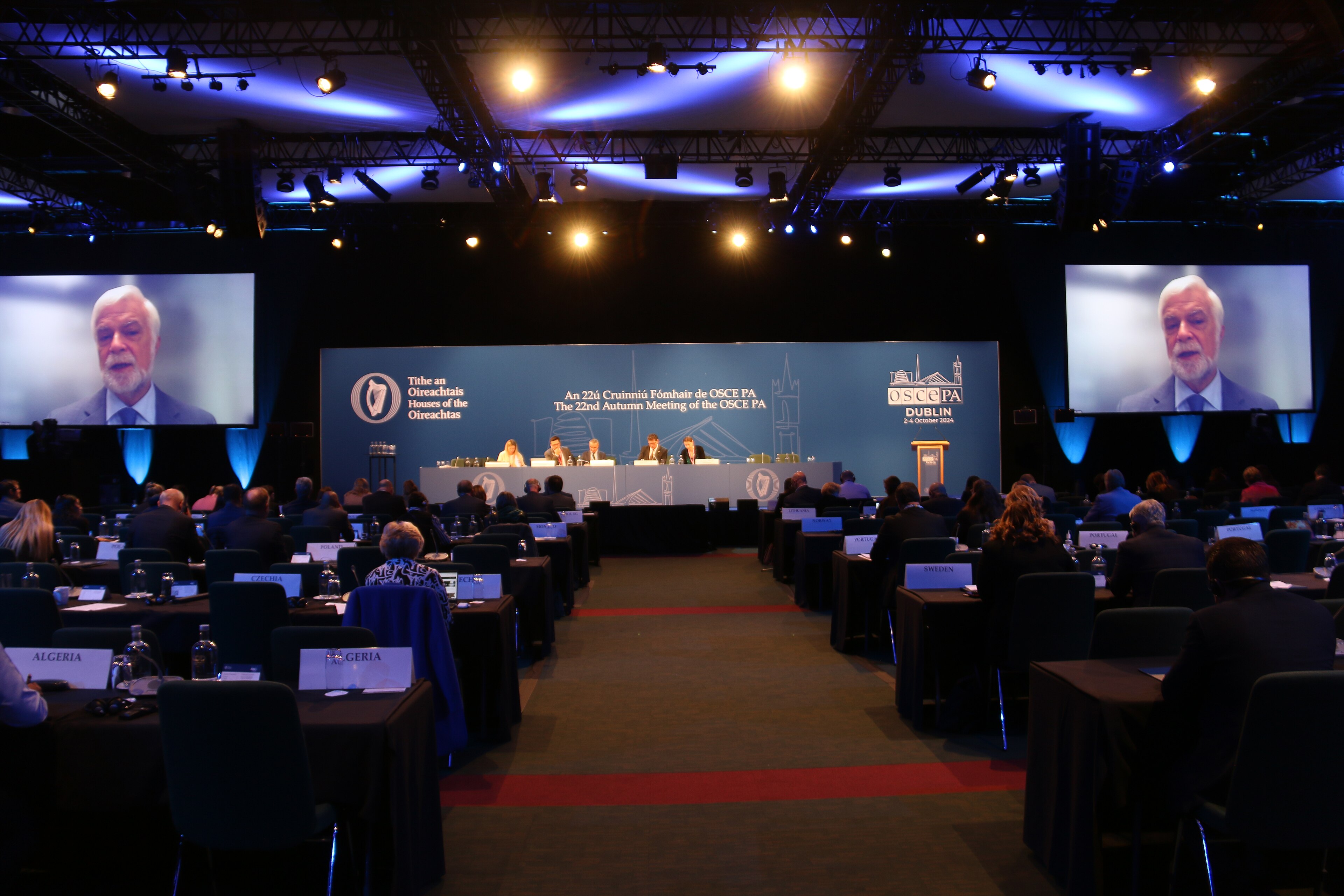

A geopolitical-economic assessment of US withdrawal from climate-related international organizations and implications for climate justice movements.
The decision of the Trump administration in the United States to withdraw from major global climate governance institutions—especially the United Nations Framework Convention on Climate Change (UNFCCC), the Intergovernmental Panel on Climate Change (IPCC), and the Paris Agreement—represents not merely a diplomatic retreat but a profound moral failure in the context of an escalating planetary emergency. While public debate has largely focused on the economic and strategic costs of this decision—such as declining U.S. influence in global climate governance and reduced competitiveness in renewable energy and climate technologies—the moral and structural implications are equally, if not more, significant.
Historical Responsibility and Moral Accountability
The United States, more than any other country, bears a unique responsibility for climate change. It is the world’s largest historical emitter of carbon dioxide, accounting for approximately 24% of cumulative global CO₂ emissions from fossil fuels and industry since the Industrial Revolution (Ritchie, Rosado, & Roser, 2023). Although China overtook the United States in annual emissions in the mid-2000s, historical responsibility remains central to ethical assessments of climate obligation (Scott, 2023). Moreover, U.S. per capita emissions continue to rank among the highest globally, underscoring the enduring inequity of global emissions patterns (Scott, 2023).
Withdrawal from multilateral climate institutions therefore signals a refusal to acknowledge this responsibility and an attempt to obscure it under the guise of national interest. This action by the Trump administration also represents a retreat from collective climate action at a moment when international cooperation is indispensable.
Enabling Fossil Capital Expansion
In practical terms, U.S. disengagement from global climate governance serves as a major enabler of fossil fuel expansion. Major U.S.-based oil and gas corporations have recorded extraordinary profits in recent years, even as climate impacts intensify. ExxonMobil reported profits of approximately USD 33.7 billion in 2024 (ExxonMobil, 2025), while the world’s five largest oil and gas corporations—ExxonMobil (US), Chevron (US), Shell, TotalEnergies, and BP—collectively earned over USD 100 billion in profits in the same year (Energy Profits, 2024). The combined profits of four of these companies—ExxonMobil (US), Chevron (US), Shell, and TotalEnergies—from 2021 to 2023 amounted to approximately USD 259.6 billion (Zandt, 2024).
These profit levels reflect the entrenched power of fossil capital within the U.S. political economy and illustrate the contradiction between private accumulation and public climate responsibility. Rather than mobilizing these resources toward climate mitigation or adaptation, withdrawal from climate governance reinforces fossil fuel dependency and delays the energy transition.
Political Economy of Trump’s Actions
The Trump administration’s climate policies are best understood within a broader political–economic framework that systematically privileged the interests of fossil fuel corporations and billionaire capital over environmental protection, global stability, and human well-being. Environmental regulations were rolled back, climate science was delegitimized, and international climate commitments were abandoned even as climate-related disasters, displacement, and geopolitical instability intensified.
This trajectory reflects structural features of global capitalism, wherein extractive industries exert disproportionate influence over state policy and decision-making, often at the expense of ecological sustainability.
Coercion, Resource Politics, and Fossil Capital
U.S. foreign policy under Trump further illustrates the coercive dimensions of fossil capitalism. The forcible removal and abduction of Venezuela’s president, Nicolás Maduro, was closely tied to efforts to secure strategic and resource-related interests, particularly oil reserves (Christou & Hall, 2026; Varkiani, 2026). After initially disguising the intervention as a campaign against drug cartels and a defense of democracy, President Trump openly admitted that oil interests were a major motivation for the attack on Caracas (Motamedi, 2026; Troianovski, 2026). Venezuela is reported to possess the world’s largest proven crude oil reserves. These actions align with a long history of fossil fuel–driven coercion and violence in resource-rich regions of the Global South.
A paradigmatic example is the Niger Delta in Nigeria. The Anglo-Dutch multinational Royal Dutch Shell played a central role in decades of environmental devastation, social dislocation, and political repression linked to oil extraction in the region. During the early 1990s, Shell collaborated with Nigerian state security forces to suppress protests led by the Movement for the Survival of the Ogoni People (MOSOP), then led by writer and activist Ken Saro-Wiwa (Amnesty International, 2017).
In 1995, Saro-Wiwa and eight other Ogoni activists were executed by the Nigerian military regime following a trial that was widely condemned internationally. Shell later agreed to a USD 15.5 million settlement with the victims’ families in a U.S. court while continuing to deny legal liability (EarthRights International, 2020). The Niger Delta case illustrates how fossil capital, state violence, and environmental destruction intersect, particularly in the Global South.
Structural Impunity in the International System
In principle, such actions by the Trump administration should provoke sanctions and sustained global condemnation. In practice, however, the structure of the international system shields dominant states and corporations from meaningful accountability. The United States’ control over global financial institutions, the hegemonic role of the U.S. dollar, and its unparalleled military power significantly constrain enforcement mechanisms.
Compounding this impunity, other major powers—including European states, Russia, and China—are themselves implicated in extractive and coercive practices, particularly in the Global South. This shared complicity weakens prospects for collective accountability and reinforces systemic injustice within global climate governance.
Conclusion: Toward Systemic Transformation
Trump’s withdrawal from global climate governance should therefore be understood not as an anomaly but as a symptom of deeper contradictions within the global capitalist political economy. The climate crisis exposes the incompatibility between a profit-driven economic system predicated on endless extraction and accumulation and the ecological limits of the planet.
What is required is not marginal reform but a fundamental systemic shift—one that prioritizes collective welfare and well-being, ecological sustainability, climate justice, and democratic accountability over fossil capital and geopolitical dominance. Social movements and civil society actors, including climate campaigners, must recognize this reality and orient their efforts toward building national, regional, and global movements for progressive governance grounded in universal welfare and the common ownership of collective wealth and economic resources.
Kola Ibrahim is a Nigeria-based author, global affairs researcher, and climate and social justice activist. His books include: Data for Climate Justice (2025), and Climate Imperialism in Africa (2023). He can be reached at: [email protected]
References
Amnesty International. (2017). Nigeria: Shell complicit in execution of Ogoni Nine. https://amnesty.ca/human-rights-news/nigeria-shell-complicit-in-the-arbitrary-executions-of-ogoni-nine-as-writ-served-in-dutch-court/
Christou, W. and Hall, R. (2026). Why has the US captured Venezuela’s president and what happens next? The Guardian. https://www.theguardian.com/world/2026/jan/03/why-trump-us-attacked-car…
EarthRights International. (2020). Wiwa v. Royal Dutch Shell. https://earthrights.org/case/wiwa-v-royal-dutch-shell/
Energy Profits. (2024). Big oil profits tracker. https://energy-profits.org
ExxonMobil. (2025). ExxonMobil announces 2024 results. https://investor.exxonmobil.com/company-information/press-releases/detail/1180/exxonmobil-announces-2024-results
Motamedi, M.(2026). Venezuela’s oil, not alleged drug trafficking, caught Trump’s eye. Al Jazeera. https://www.aljazeera.com/news/2026/1/4/venezuelas-oil-not-alleged-drug-trafficking-caught-trumps-eye
Rhodium Group. (2020). China’s greenhouse gas emissions surpass developed countries. https://rhg.com
Ritchie, H., Rosado, P. and Roser, M. (2023). CO₂ and Greenhouse Gas Emissions. Our World in Data. https://archive.ourworldindata.org/20251204-133459/grapher/cumulative-co-emissions.html
Scott, M. (2023). Does it matter how much the United States reduces its carbon dioxide emissions? National Oceanic and Atmospheric Administration (NOAA). https://www.climate.gov/news-features/climate-qa/does-it-matter-how-much-united-states-reduces-its-carbon-dioxide-emissions
Troianovski, .(2026). Trump Long Wanted to ‘Take the Oil.’ He Says He’ll Do It in Venezuela. New York Times. https://www.nytimes.com/2026/01/03/us/politics/trump-venezuela-oil.html
Varkiani, A. M. (2026). Trump Admits the Real Reason for His Surprise Attack on Venezuela. New Republic. https://newrepublic.com/post/204883/trump-venezuela-oil-attack
Zandt, F. (2024). Oil & Gas Giants Cash in Tens of Billions. Statista. https://www.statista.com/chart/27887/big-oil-sees-profits-increase/