



Reparatory Justice, Resistance, and Pharmaceutical Sovereignty: Countering Biocapitalist Models of Global Public Health
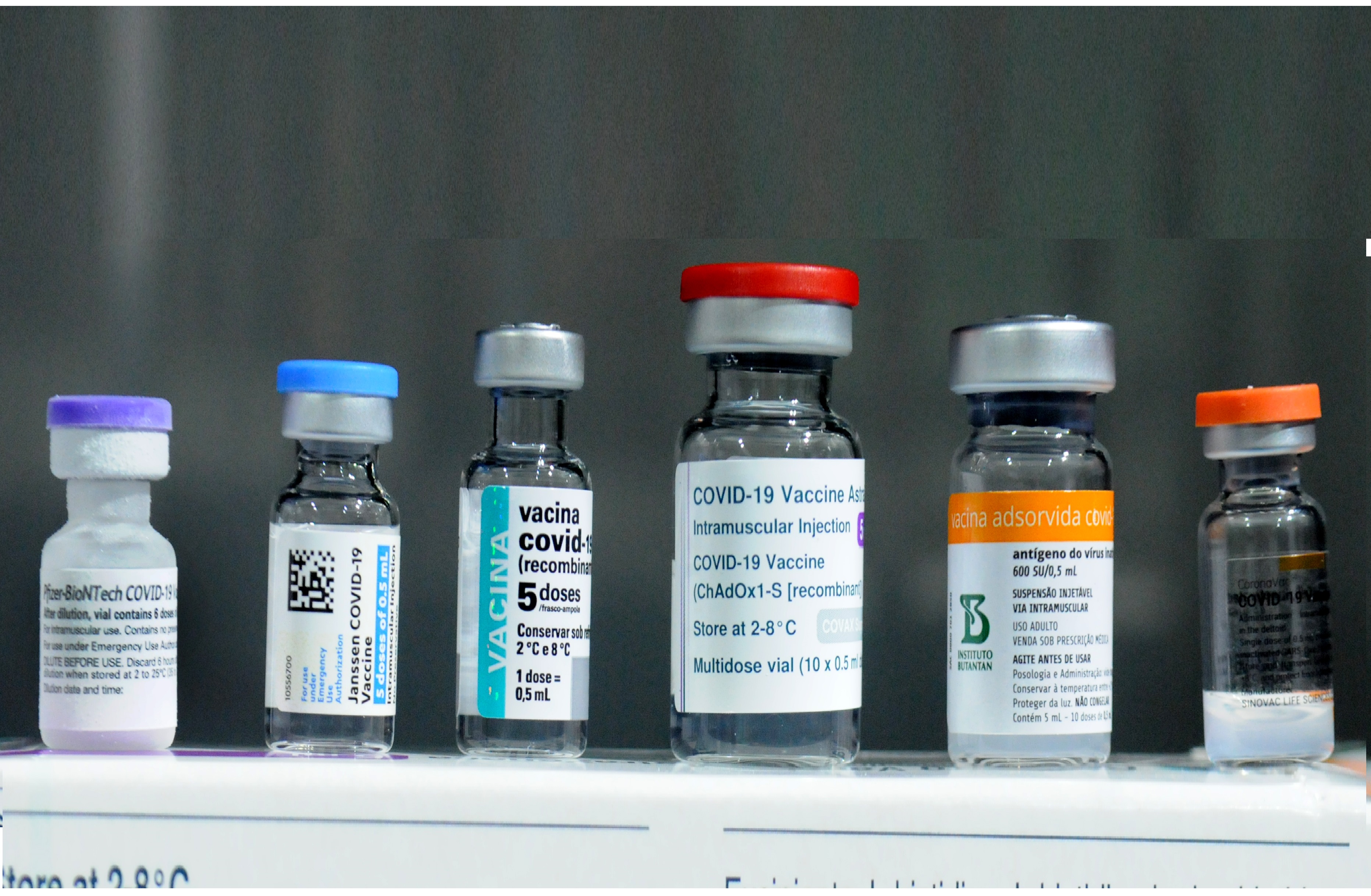

A critique of the global pharmaceutical industry. The current global health model prioritizes private profit over human life. Viral sovereignty and struggles for the protection of life and health against biocapitalism are central components of reparative justice and resistance.
Biocapitalism, global public health and reparatory justice are inextricably intersected, as healthcare scarcity in the Global South is not a political failure of Global South governments (as is intentionally made to seem with the trope of good governance),[1] but a structural feature of a global economic model that prioritizes private intellectual property (IP) and capital accumulation over human life. Biocapitalism is the commodification or capitalization of biological life, which intentionally, systematically and maliciously produces health, wealth and interconnected forms of scarcity, disproportionately concentrated within the Global South. How human life is valued and categorized brings to light how global pharmaceutical market-driven research and development (R&D) and patent regimes create a necropolitical landscape, where access to public health is determined by its potential to generate capital rather than by overwhelming human need. I argue for the paradigmatic shift from a model of global health based on Western charity to a sovereignty-based model based on health as a human right, as demonstrated, for example, by Cuba’s development of its own COVID-19 vaccines.
The biocapitalist framework describes a global economic system where biological life and health are treated as primary drivers of capital accumulation, such that private profit supersedes population welfare. Within this system, biological life becomes capital for profit, creating disparities in access to health and healthcare, particularly in the Global South. In this framework, the right to health is subordinated to the generation and protection of pharmaceutical profits, primarily through rigid IP regimes and market-driven research priorities.[2] Biocapitalism represents a late stage of capital accumulation wherein even the genetic and cellular components of human life, and even pathogenic viruses and bacteria, are transformed into speculative financial assets. The biocapitalist pharmaceutical industry does not merely produce goods; it manages the right to live. For example, during the COVID-19 pandemic, biocapitalism manifested through the IP dominance of large pharmaceutical companies in high-income countries, which leveraged patent protections to control the supply of vaccines, frequently refusing to share vaccine technology even when their research was subsidized by public funds.
Leading commercial pharmaceutical manufacturers of COVID-19 vaccines include Pfizer-BioNTech (Comirnaty), Moderna (Spikevax), AstraZeneca (Vaxzevria), Novavax (Nuvaxovid), and Janssen (Johnson & Johnson).[3] In 2025, Pfizer recorded $62.6 billion in revenue, representing a 2% operational decline from its 2024 revenue of $63.6 billion.[4] This downward trend highlights a critical vulnerability in the biocapitalist model: high profits are not merely a result of innovation but are structurally dependent on the exclusion of generic competitors. For biocapitalism to consider biological life as a speculative financial asset, it must maintain monopoly market power to ensure price inelasticity.
Three percent of Pfizer’s total revenues in 2025 was from Comirnaty, which earned $4.37 million.[5] In 2021, at the height of the pandemic, Pfizer’s full-year revenues were $81.3 billion, and its COVID-19 vaccine alone contributed 45% ($36.6 billion) to its total revenue.[6],[7]These IP rents represent profits derived from patent ownership rather than just manufacturing a product, and these rents depend on artificial scarcity. By using rigid patent regimes to block local manufacturers in the Global South from producing lower-cost generic versions, pharmaceutical corporations can maintain high margins that would collapse in a truly competitive market. Pfizer’s 2025 revenue decline is largely attributed to the erosion of its monopoly. Pfizer reported an anticipated $1.5 billion negative impact on its revenue specifically due to expected generic and biosimilar competition for products that have lost patent protection.[8] When generic manufacturers enter the pharmaceutical market, they threaten the high-margin surplus value that biocapitalism demands; for instance, the availability of generics can cause prices for life-saving drugs to decline by 70% to 80% in markets of 10 or more competitors, three years after the first generic entry.[9] For the biocapitalist, such a shift from a high-margin speculative pharmaceutical asset to a low-margin public utility is considered a financial failure, which led Pfizer to implement a multi-year cost realignment program aimed at saving $5.7 billion by 2026 to protect shareholder value.[10] This cycle illustrates that the pharmaceutical industry does not merely produce goods; it manages the right to live by ensuring that essential medicines remain high-profit commodities rather than universally accessible public goods.
Pfizer invested $8.9 billion in R&D in 2020 and $10.5 billion in 2021.[11] While it claims that it did not receive US government funding to develop its COVID-19 vaccine, BioNTech, its partner, received $445 million from the German government for vaccine development,[12] and the US government provided a $1.95 billion pre-purchase agreement (advance market commitment) to secure 100 million vaccine doses, an agreement which significantly reduced the corporation’s commercial risk.[13] Further, Pfizer, like other pharmaceutical corporations, has benefitted from public investments in vaccine development and manufacturing. In the decades preceding the COVID-19 pandemic, the US government provided at least $31.9 billion for the creation, manufacturing, and procurement of mRNA vaccines. This total includes decades of foundational research funding prior to the pandemic, followed by a significant spending increase once the health crisis began.[14] From the beginning of the pandemic through March 2022, the US government invested $2.3 billion in mRNA vaccine R&D, primarily through the Biomedical Advanced Research and Development Authority’s (BARDA’s) $1.7 billion support for Moderna and $490 million from the National Institutes of Health (NIH) for additional clinical research.[15] Further, Pfizer-BioNTech and Moderna were the primary recipients of an additional $29.2 billion in federal purchase commitments for two billion vaccine doses. Pfizer received $20.4 billion, including a large-scale purchase of one billion discounted doses for global aid, while Moderna received $10.8 billion, with $8.8 billion dedicated to supply.[16] Despite billions of dollars in public funding committed for vaccine R&D, millions of people around the world lacked access to COVID-19 vaccines.
Health disparities between the Global North and the Global South are driven by structural factors embedded within the biocapitalist model. Primary tools of biocapitalism are the Trade-Related Aspects of Intellectual Property Rights (TRIPS) Agreement and bilateral trade deals which grant long-term monopolies to global pharmaceutical corporations. These intellectual property and patent regimes keep prices high and prevent local manufacturers in Africa, Latin America, and Asia from producing cheaper generic versions of life-saving drugs. As such, biocapitalism exacerbates global health scarcities, moving from the exclusion of Global South countries to scientific knowledge to denying these countries legal and financial permission to use that knowledge, through the patent regime. Biocapitalism is based on the logic of monopoly; by enforcing 20-year World Trade Organization patent protections, it ensures that life-saving pharmaceutical innovations remain high profit commodities. High-cost biotechnological drugs and patented medications are not affordable, and populations where health insurance is rare and most health expenses are paid out-of-pocket are effectively priced out of access to essential medicines. Vaccine and drug scarcities are then artificially manufactured by criminalizing the production of low-cost generics in countries like India and Brazil, which in turn excludes these countries from participation in high-margin pharmaceutical markets.
Biocapitalism also prioritizes R&D investment toward managing diseases of affluence, which are lifestyle-related non-communicable diseases (NCDs) concentrated in the Global North, while neglecting infectious tropical diseases more prevalent in poor regions, because investments in these diseases offer lower profit margins.[17] Neglected tropical diseases affect more than one billion people annually, and approximately 120,000 people die from these diseases annually.[18] Pharmaceutical R&D is profit driven, and because Global South countries have low purchasing power, they are invisible to speculative biocapitalist R&D. Further, neoliberal austerity measures contribute to the struggles of underfunded public sectors in low-income countries to address neglected tropical diseases, persistent infectious diseases such as HIV/AIDS and malaria, and the rising prevalence of non-communicable diseases such as cancer and diabetes.[19]
The delay in the World Health Organization’s (WHO’s) authorization of COVID-19 vaccine technology transfers exemplifies biocapitalism. It also exemplifies vaccine apartheid,[20] where the biological survival of people living in the Global South was secondary to the protection of proprietary mRNA code. Cuba successfully developed and manufactured five COVID-19 vaccines, with Abdala and Soberana 02 being its most prominent, achieving over 90% efficacy rates in clinical trials.[21] These home-grown, protein subunit vaccines were used to vaccinate most of the Cuban population. Due to local production, Cuba achieved one of the highest vaccination rates in the world,[22] with over 89% of its population being fully vaccinated by March 2022.[23] Despite developing highly effective and low-cost vaccines, Cuba’s contributions to the global pandemic response were limited to bilateral agreements with a few countries like Iran, Nicaragua, Venezuela, and Vietnam.[24]
Biopolitics functions through regulatory standardization to determine what medications are authorized as safe or effective for population use. The WHO Emergency Use Listing (EUL) is a risk-based procedure created to rapidly assess and list unlicensed health products, which include vaccines, therapeutics, and diagnostics, during public health emergencies. Its primary goal is to provide a mechanism for United Nations procurement agencies and member states to rapidly acquire and use these pharmaceutical products.[25] Although Cuba’s National Regulatory Authority (CECMED) is a WHO certified Level 4 authority, EUL authorization remained delayed for its Abdala and Soberana 02 vaccines.[26]
The EUL authorization process thus functions as a gatekeeping mechanism. While designed to ensure safety of medicines, it is difficult for sanctioned nations to meet EUL standards due to their restricted access to medical equipment and international finance, turning technical standards into political barriers and limiting access to life-saving pharmaceuticals for needy populations. Without EUL status, vaccines cannot be purchased by UN agencies or included in COVID-19 Vaccines Global Access (COVAX), the primary mechanism intended to aid low-income countries gain access to vaccine therapies. The EUL regulatory system created a two-track pandemic wherein the Global South remains dependent on vaccine donations from high-income countries rather than establishing regional self-sufficiency.[27],[28]Mid-2021 data highlights a significant two-track pandemic driven by vaccine nationalism. Richer countries administered 87% of the 700 million doses available by April 2021, leaving low-income countries with only 0.2% of vaccine doses. Consequently, vaccination rates in wealthy nations (1 in 4 people) vastly outpaced those in low-income regions (1 in 500 people).[29]
The WHO’s failure to authorize Cuba’s COVID-19 vaccines reinforces the flaws of market-driven global health governance.[30] Its inability to integrate these vaccines into global distribution mechanisms like COVAX illustrates the structural barriers that prioritize for-profit pharmaceutical models over non-proprietary, state-led public health alternatives. This failure is not merely scientific, but deeply political and financial. The logistical obstacles created by the US embargo and its designation of Cuba as a state sponsor of terrorism[31] hindered Cuba’s ability to engage with the WHO to gain vaccine authorization.[32] US sanctions impeded Cuba’s COVID-19 vaccine efforts by disrupting supply chains for raw materials, blocking international financial transactions, and creating logistical hurdles for international authorization of its vaccines.[33] In 2019, the Trump Administration issued a rule to prohibit the export of products to Cuba that contain more than 10% US components.[34] These sanctions blocked essential medical supplies from reaching Cuba and prevented Cuban scientists from acquiring critical materials, including reagents required to manufacture COVID-19 vaccines.[35] These sanctions also imposed banking and financial constraints on Cuba,[36] and international banks refused to process payments for Cuba’s vaccine program, even for humanitarian purposes, fearing US penalties. Such regulatory barriers illustrate how geopolitical agendas override global public health needs.
By failing to support Cuba’s vaccine technology transfer efforts, global health institutions missed an opportunity to establish a model that contributes to global health sovereignty and that is independent of Western biocapital. Prioritizing profit and hoarding vaccine supplies by high-income countries reinforced vaccine apartheid, [37],[38]and resulted in millions of avoidable deaths in low-income countries. Cuba had secured funding to produce 200 million vaccine doses for distribution to poor countries,[39] however this initiative remained unrealized due to lack of international recognition of its vaccines. The WHO’s systematic exclusion of Cuba’s vaccines and its inability to provide a coordinating role that bypassed geopolitical interests is an institutional failure in global health governance, where existing procedures preference the status quo of bioviolence, which constitutes the institutionalized withholding of life-saving healthcare. These systemic flaws represent success for biocapitalism, which has maintained the supremacy of private IP regimes and ensured that global public health remains a commodity rather than a universally guaranteed human right. These failures also highlight the persistent impact of geopolitical sanctions, and the ongoing struggle for vaccine equity in the Global South, worsened by the monopoly held by Western corporations over the global pharmaceutical market and the marginalization of non-market models of vaccine distribution. While high-income countries achieved high vaccination rates, low-income countries were left behind.
Biocapitalism exercises the power to dictate who may live and who is allowed to die. The exclusion of a more affordable and more stable (non-mRNA) vaccine from global distribution raised ethical questions about which lives the global public health system is designed to protect, and which lives are valued and categorized as worth saving. These biopolitical formulations pit political ideology against the immediate biological urgency of saving lives. The demand for reparative frameworks that prioritize national development and technological equity over ideological barriers counter the life-and-death stakes of biopolitical decisions.
Conclusions: Reparatory Justice, Resistance, and Pharmaceutical Sovereignty
The Caribbean Community’s 10-point plan for reparatory justice, adopted in 2014, includes assistance in remedying the global public health crisis and the right to national development through the transfer of technology.[40] This ongoing global health crisis was exacerbated by the pandemic. Similarly, UN Secretary-General António Guterres has called for states and other actors to employ an intersectionality framework to address systemic racism and historic and contemporary injustices, and to ensure reparatory justice. The Secretary-General noted that the right to national development is an important framework of reparatory justice, and it includes equal access to health.[41]
Cuba’s decision to develop its own vaccines and its assertion that a country has the right to manage its population’s biological life independent of international patent regimes and external supply chains were acts of viral sovereignty. Viral sovereignty is the concept that biological material, and specifically viruses, isolated within a nation’s territorial borders are the sovereign property of that state. Recent US-Africa health negotiations reflect threats to African health sovereignty and are criticized as biomedical data extractivism, where essential funding is traded for long-term access to genetic data and pathogen samples. This extraction hinders pharmaceutical sovereignty, undermines reparatory justice, and has sparked resistance, for example, as Kenya takes steps to protect its digital health infrastructure.[42] Viral sovereignty asserts that nations have the right to control access to these pathogens and can determine the sharing of samples on Access and Benefit-Sharing (ABS) agreements.[43],[44] Under this framework, sharing a virus sample is treated as a trade; nations provide raw biological materials in exchange for benefits like technology transfers or affordable medicines. The concept gained global prominence in 2007 when Indonesia’s Health Minister, Siti Fadilah Supari, refused to share H5N1 avian flu samples with the WHO, arguing that the resulting vaccines were often unavailable to the countries that provided the original virus samples.[45] The Indonesian government argued that it was unfair to provide raw materials (viruses) freely to pharmaceutical companies which would then patent and sell vaccines back to the originating countries at prices they could not afford.[46]
Similarly, Cuba’s public-sector-driven R&D model challenges the biopolitical model; during COVID-19, it prioritized universal domestic coverage and technology transfer to other sanctioned or marginalized nations.[47] Unlike Western vaccines developed with public funds[48] but generating profit for private vaccine manufacturers, Cuba’s vaccines were a public good which resisted marketization and privatization and challenged the biopolitical norm that essential medicines must be commodified. The world has benefitted from Cuba’s decades-long, extensive medical solidarity efforts. Its international health deployments have provided global healthcare, training, and crisis response to populations globally. Despite facing intense political pressures and US sanctions, Cuba continues its mission of promoting healthcare as a human right through its widespread international brigade deployment.[49]
Global South nations are increasingly challenging the biocapitalist framework as they pursue pharmaceutical sovereignty. Initiatives like the IBSA Fund (India, Brazil, South Africa) aim to strengthen South-South cooperation on global and regional issues, and to assist developing countries implementing development and other projects through the IBSA Fund.[50] The development of manufacturing hubs such as the African Medicines Agency of the African Union intend to support continental African medical supply chains;[51] countering biocapitalist constraints. These efforts seek to unify regulatory standards to facilitate local pharmaceutical manufacturing and trade in Africa.[52] Global South countries are invoking their legal rights to produce patented drugs during health emergencies by utilizing TRIPS clauses that allow governments to bypass patents during national emergencies in order to create generic alternatives at market-determined prices.[53] Despite calls for the World Trade Organization member states to support extension of its 2022 ministerial decision to allow diversified manufacturing and supply of COVID-19 therapeutics and diagnostics,[54] these states failed to reach consensus on the extension of the decision.[55] Their failure adversely impacts future pandemic preparedness and response.
The COVID-19 pandemic did not create the inequities of the global pharmaceutical market; rather, it stripped away the trope of good governance[56] to reveal a biocapitalist core that views life as a speculative asset. The systemic exclusion of non-market pharmaceutical models, exemplified by the delayed authorization of Cuba’s non-proprietary vaccines, demonstrates that current global health governance is not merely failing but is actively structured to prioritize IP protection over biological survival.[57] This institutionalized withholding of care, or bioviolence, renders the Global South a permanent necropolitical or sacrificial zone[58] for the accumulation of Western capital. Addressing global health disparities requires more than philanthropic gestures or donor-based aid from Western countries, which reinforce the very hierarchies that cause scarcity. Instead, a shift toward a global health model of reparatory justice is essential. Grounded in the Caribbean Community’s 10-point plan, Cuba’s proven healthcare models, and calls from the United Nations for intersectional justice, this model demands a fundamental restructuring of health rights, which includes technology transfer as a right. National development must include the transfer of technology to address the global public health crisis.[59] Reparatory justice views scientific knowledge not as a private monopoly, but as a public good necessary for the right to national development.
Reparatory justice in global public health demands viral, pharmaceutical, and holistic sovereignty. Global institutions must validate and integrate South-South innovations, such as those from Cuba, the IBSA Fund, and the African Medicines Agency, without the gatekeeping of geopolitical sanctions or Western-centric regulatory barriers implemented by the WHO.[60]Global health equity requires dismantling the TRIPS hegemony and utilizing TRIPS clauses to bypass patent regimes during health emergencies, ensuring that pharmaceutical innovations remain public goods rather than high-profit commodities.[61] The path to a resilient global health system lies in viral sovereignty. By centering reparatory justice,[62] the international community can move beyond the two-track pandemic and toward a model where health is a universally guaranteed human right, which prioritizes bio (life) over capital (profit).
Danielle Taana Smith is a Professor in the Department of African American Studies and Professor of Sociology (courtesy) in the Maxwell School of Citizenship and Public Affairs at Syracuse University. Her research engages in global policy issues with an overarching goal of improving the social and economic environment for all, especially those at the margins of our society.
Endnotes
[1]Campbell, H. 2026. Deconstructing the good governance trope: A Critical Analysis of Imperial Power and the Dynamic Push Back, Fighting to Change the World. Unpublished paper.
[2]United Nations Human Rights Office of the High Commissioner. 2025. Bridging the Global Gap in Access to Essential Medicines. https://www.ohchr.org/en/stories/2025/07/bridging-global-gap-access-ess….
[3]United States Centers for Disease Control and Prevention. 2026. Immunization Information Systems (IIS): HL7 Standard Code Set MVX - Manufacturers of Vaccines. https://www2a.cdc.gov/vaccines/iis/iisstandards/vaccines.asp?rpt=mvx
[4]Pfizer Inc. 2026. 2025 Annual Report: Pfizer’s Year in Review. https://annualreview.pfizer.com/
[5] ibid
[6]Pfizer Inc. 2021. Pfizer 2021 Annual Review. Breakthroughs that Change Patients’ Lives. https://www.pfizer.com/sites/default/files/investors/financial_reports/…
[7]United States Securities and Exchange Commission. 2022. Pfizer Reports Fourth-quarter and Full-year 2021 Results. https://www.sec.gov/Archives/edgar/data/78003/000007800322000003/pfe-12….
[8]Pfizer Inc. 2025. Pfizer Reaffirms Full-Year 2025 EPS Guidance and Provides Full-Year 2026 Guidance. https://www.pfizer.com/news/press-release/press-release-detail/pfizer-r…
[9]United States Department of Health and Human Services. 2025. Effect of Entry on Generic Drug Prices: Medicare Data 2007- 2022. Issue Brief No. HP-2025-06. Office of the Assistant Secretary for Planning and Evaluation. https://aspe.hhs.gov/sites/default/files/documents/510e964dc7b7f00763a7…
[10] Pfizer Inc. 2025. Pfizer Reaffirms Full-Year 2025 EPS Guidance and Provides Full-Year 2026 Guidance. https://www.pfizer.com/news/press-release/press-release-detail/pfizer-r…
[11]Pfizer Inc. 2021. Pfizer 2021 Annual Review. Breakthroughs that Change Patients’ Lives. https://www.pfizer.com/sites/default/files/investors/financial_reports/…
[12]Lalani, H., Avorn, J. and Kesselheim, A. 2021. US Taxpayers Heavily Funded the Discovery of COVID-19 Vaccines. Clin Pharmacol Ther. 2022 Mar;111(3):542-544. doi: 10.1002/cpt.2344. Epub 2021 Jul 9. PMID: 34243221; PMCID: PMC8426978.
[13]Pfizer Inc. 2020. Pfizer and BioNTech Announce an Agreement with U.S. Government for up to 600 Million Doses of mRNA-based Vaccine Candidate Against SARS-CoV-2. https://www.pfizer.com/news/press-release/press-release-detail/pfizer-a…
[14]Lalani, H., Nagar, S., Sarpatwari, A., Barenie, R., Avorn, J., Rome, B. and Kesselheim, A. 2023. US Public Investment in Development of mRNA COVID-19 Vaccines: Retrospective Cohort Study. BMJ. 2023 Mar 1;380:e073747. doi: 10.1136/bmj-2022-073747. Erratum in: BMJ. 2023 Mar 14;380:p587. doi: 10.1136/bmj.p587. PMID: 36858453; PMCID: PMC9975718. https://pmc.ncbi.nlm.nih.gov/articles/PMC9975718/#:~:text=The%20US%20go…
[15] ibid
[16]ibid
[17]United Nations Human Rights Office of the High Commissioner. 2025. Bridging the Global Gap in Access to Essential Medicines. https://www.ohchr.org/en/stories/2025/07/bridging-global-gap-access-ess….
[18]World Health Organization. 2026. Neglected Tropical Diseases. https://www.who.int/health-topics/neglected-tropical-diseases#tab=tab_2
[19] United Nations Human Rights Office of the High Commissioner. 2025. Bridging the Global Gap in Access to Essential Medicines. https://www.ohchr.org/en/stories/2025/07/bridging-global-gap-access-ess….
[20]Brown, S. and Rosier, M. 2023. COVID-19 Vaccine Apartheid and the Failure of Global Cooperation. Br J Polit Int Relat. 2023 Aug;25(3):535-554. doi: 10.1177/13691481231178248. Epub 2023 Jun 13. PMID: 38602976; PMCID: PMC10265252.
[21] Aguilar-Guerra, T., Fajardo, E. and Gorry, C. Cuba’s National Regulatory Authority & COVID-19: Olga Lidia Jacobo-Casanueva MS, Director, Center dor State Control of Medicines and Medical Devices (CECMED). MEDICC Rev. 2021 Jul-Oct;23(3):9 –14. DOI: 10.37757/MR2021.V23.N3.3
[22]Gorry, C. 2022. Vaccines and Public Trust: Containing COVID-19 in Cuba. MEDICC Rev. 2022 Jan 31;24(1):9-13. doi: 10.37757/MR2022.V24.N1.11. PMID: 35157633.
[23]Cuban News Agency. 2022. Over 89% of the Cuban Population has Complete Anti-COVID-19 Vaccination Scheme. http://www.cubanews.acn.cu/science/16904-over-89-of-the-cuban-populatio…
[24]Taylor, L. 2022. Covid-19: Cuba will Request WHO Approval for Homegrown Vaccine.
BMJ 2022;376:o230. doi: https://doi.org/10.1136/bmj.o230
[25]World Health Organization. 2026. Emergency Use Listing. https://www.who.int/teams/regulation-prequalification/eul
[26]Aguilar-Guerra, T., Fajardo, E. and Gorry, C. Cuba’s National Regulatory Authority & COVID-19: Olga Lidia Jacobo-Casanueva MS, Director, Center dor State Control of Medicines and Medical Devices (CECMED). MEDICC Rev. 2021 Jul-Oct;23(3):9 –14. DOI: 10.37757/MR2021.V23.N3.3
[27]United Nations. 2021. COVID-19: Global Vaccine Plan Aims to End ‘Two-track Pandemic’. https://news.un.org/en/story/2021/10/1102462
[28]World Health Organization. 2021. Director-General’s Opening Remarks at the Media Briefing on COVID-19 – 7 June 2021. https://www.who.int/news-room/speeches/item/director-general-s-opening-…
[29]United Nations. 2021. Low-income Countries Have Received Just 0.2 Percent of All COVID-19 Shots Given. https://news.un.org/en/story/2021/04/1089392#:~:text=City%2C%20Metro%20…
[30]Brown, S. and Rosier, M. 2023. COVID-19 Vaccine Apartheid and the Failure of Global Cooperation. Br J Polit Int Relat. 2023 Aug;25(3):535-554. doi: 10.1177/13691481231178248. Epub 2023 Jun 13. PMID: 38602976; PMCID: PMC10265252.
[31] United States Department of the Treasury. 2017. Cuba Sanctions. Guidance on the Provision of Certain Services Relating to the Requirements of US Sanctions Laws. Office of Foreign Assets Control. https://ofac.treasury.gov/media/4956/download?inline
[32]Cuba Solidarity Campaign. 2023. Cuba Blames Sanctions for the Delay in WHO Authorisation of its COVID-19 Vaccine. https://cuba-solidarity.org.uk/news/article/4448/cuba-blames-sanctions-…
[33] ibid
[34]United States Federal Register. 2019. Restricting Additional Exports and Reexports to Cuba. Department of Commerce, Bureau of Industry and Security. https://www.federalregister.gov/documents/2019/10/21/2019-22876/restric…
[35]United Nations. 2024. Necessity of Ending the Economic, Commercial and Financial Embargo Imposed by the United States of America Against Cuba. https://docs.un.org/en/A/79/80
[36]United States Department of the Treasury. 2017. Cuba Sanctions. Guidance on the Provision of Certain Services Relating to the Requirements of US Sanctions Laws. Office of Foreign Assets Control. https://ofac.treasury.gov/media/4956/download?inline
[37]Brown, S. and Rosier, M. 2023. COVID-19 Vaccine Apartheid and the Failure of Global Cooperation. Br J Polit Int Relat. 2023 Aug;25(3):535-554. doi: 10.1177/13691481231178248. Epub 2023 Jun 13. PMID: 38602976; PMCID: PMC10265252.
[38]Prasad, S., Shahid, A., Co, E., Khatri, G., Cheema, H., Rocha, I., Bardhan. M. and Hasan, M. Vaccine Apartheid: The Separation of the World’s Poorest and Most Vulnerable and the Birth of Omicron. Ther Adv Vaccines Immunother. 2022 Jul 5;10:25151355221107975. doi: 10.1177/25151355221107975. PMID: 35832726; PMCID: PMC9272166.
[39]Taylor, L. 2022. Covid-19: Cuba will Request WHO Approval for Homegrown Vaccine.
BMJ 2022;376:o230. doi: https://doi.org/10.1136/bmj.o230
[40]Caribbean Community (CARICOM). 2014. CARICOM Ten Point Plan for Reparatory Justice. https://caricom.org/caricom-ten-point-plan-for-reparatory-justice/
[41] United Nations Human Rights Council. 2025. Promotion and Protection of the Human Rights and Fundamental Freedoms of Africans and of People of African Descent against Excessive Use of Force and Other Human Rights Violations by Law Enforcement Officers through Transformative Change for Racial Justice and Equality: Report of the United Nations High Commissioner for Human Rights. https://docs.un.org/en/A/HRC/60/70
[42]Sule, A. 2026. America First, Africa Last: Data Extraction from Africa’s Bodies and the Erosion of Health Sovereignty. Pambazuka News. https://www.pambazuka.org/Data-Extraction-from-Africa
[43]World Health Organization. 2007. Indonesia to Resume Sharing H5N1 Avian Influenza Virus Samples Following a WHO Meeting in Jakarta. https://www.who.int/news/item/27-03-2007-indonesia-to-resume-sharing-h5…
[44] Hong, A. 2018. Viral Sovereignty: Equity and Global Health Risk Controversy. Global Health Institute, Georgetown University. https://globalhealth.georgetown.edu/posts/viral-sovereignty-equity-and-….
[45]World Health Organization. 2007. Indonesia to Resume Sharing H5N1 Avian Influenza Virus Samples Following a WHO Meeting in Jakarta. https://www.who.int/news/item/27-03-2007-indonesia-to-resume-sharing-h5…
[46] Hong, A. 2018. Viral Sovereignty: Equity and Global Health Risk Controversy. Global Health Institute, Georgetown University. https://globalhealth.georgetown.edu/posts/viral-sovereignty-equity-and-….
[47]Marandi, V. 2025. Bridging Innovation and Policy: Comparative Pathways of National Vaccine Development in Low- and Middle-income Countries. Osong Public Health Res Perspect. 2025 Oct;16(5):425-436. doi: 10.24171/j.phrp.2025.0208. Epub 2025 Sep 17. PMID: 40957855; PMCID: PMC12611528.
[48]Altindis, E. 2022. Inequitable COVID-19 Vaccine Distribution and the Intellectual Property Rights Prolong the Pandemic. Expert Review of Vaccines, 21(4), 427–430. https://doi.org/10.1080/14760584.2022.2014819
[49]Bembir, Peter. 2026. Cuba’s Healthcare Internationalism: The World’s Healthful Debt. Pambazuka News. https://www.pambazuka.org/index.php/Cubas-Healthcare-Internationalism
[50]India, Brazil, South Africa (IBSA) Forum. 2006. 1st IBSA Summit Declaration, Brasilia, 2006. https://www.ibsa-trilateral.org/images/1st_summit_declaration.pdf
[51]African Medicines Agency. nd. Building a Regulatory System that Works for Africa. https://au-ama.africa/
[52]Mulumba, M., Oga, J., Koomson, N., Kara, T., Cynthia, A. and Forman, L. 2025. Decolonizing Global Health: Africa’s Pursuit of Pharmaceutical Sovereignty. BMC Health Serv Res. 2025 Aug 1;25(1):1015. doi: 10.1186/s12913-025-13211-9. PMID: 40751192; PMCID: PMC12315266.
[53]Mulumba, M., Oga, J., Koomson, N., Kara, T., Cynthia, A. and Forman, L. 2025. Decolonizing Global Health: Africa’s Pursuit of Pharmaceutical Sovereignty. BMC Health Serv Res. 2025 Aug 1;25(1):1015. doi: 10.1186/s12913-025-13211-9. PMID: 40751192; PMCID: PMC12315266.
[54]ibid
[55]World Trade Organization. 2024. TRIPS Decision Extension. https://www.wto.org/english/thewto_e/minist_e/mc13_e/briefing_notes_e/trips_e.htm
[56]Campbell, H. 2026. Deconstructing the good governance trope: A Critical Analysis of Imperial Power and the Dynamic Push Back, Fighting to Change the World. Unpublished paper.
[57]Brown, S. and Rosier, M. 2023. COVID-19 Vaccine Apartheid and the Failure of Global Cooperation. Br J Polit Int Relat. 2023 Aug;25(3):535-554. doi: 10.1177/13691481231178248. Epub 2023 Jun 13. PMID: 38602976; PMCID: PMC10265252.
[58]Mbembe, A. 2003. Necropolitics. Public Culture, 15, 11-40. https://doi.org/10.1215/08992363-15-1-11
[59]Caribbean Community (CARICOM). 2014. CARICOM Ten Point Plan for Reparatory Justice. https://caricom.org/caricom-ten-point-plan-for-reparatory-justice/
[60]Mulumba, M., Oga, J., Koomson, N., Kara, T., Cynthia, A. and Forman, L. 2025. Decolonizing Global Health: Africa’s Pursuit of Pharmaceutical Sovereignty. BMC Health Serv Res. 2025 Aug 1;25(1):1015. doi: 10.1186/s12913-025-13211-9. PMID: 40751192; PMCID: PMC12315266.
[61]The People’s Vaccine Alliance. 2022. A Fact-based Case for the Extension of the TRIPS COVID-19 Decision. https://peoplesmedicines.org/wp-content/uploads/2022/11/A-fact-based-ca…
[62]United Nations Human Rights Council. 2025. Promotion and Protection of the Human Rights and Fundamental Freedoms of Africans and of People of African Descent against Excessive Use of Force and Other Human Rights Violations by Law Enforcement Officers through Transformative Change for Racial Justice and Equality: Report of the United Nations High Commissioner for Human Rights. https://docs.un.org/en/A/HRC/60/70